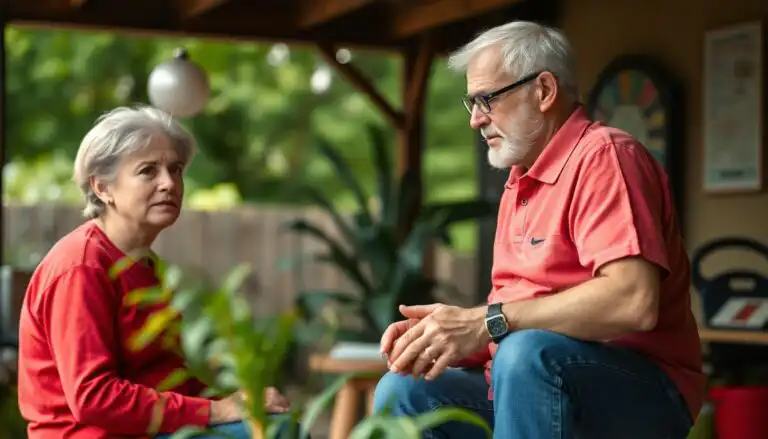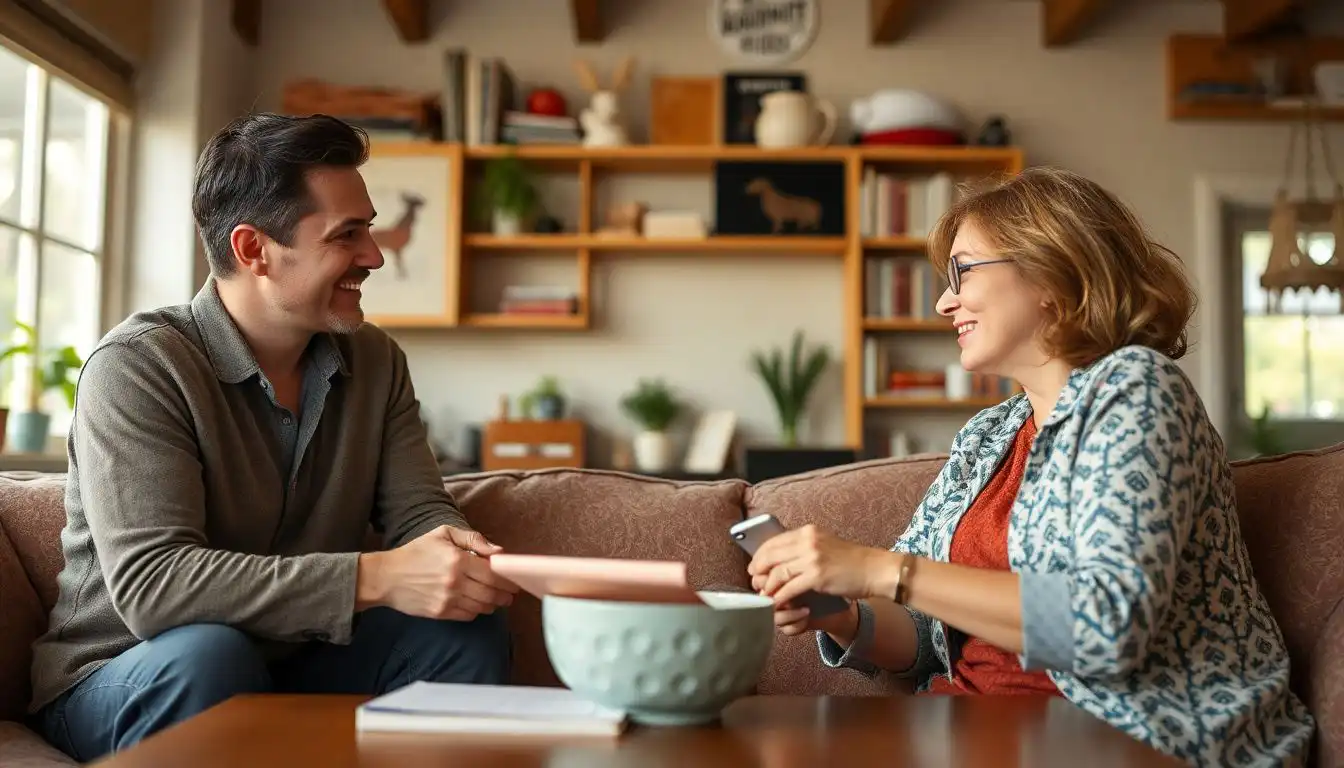
Being in your late 30s and suddenly understanding why your parents stopped having hobbies: It is a quiet realisation that usually hits on a Tuesday night while you are staring at a pile of school hats and half-packed lunchboxes. For years, you probably wondered why your dad’s golf clubs gathered dust in the shed or why your mum’s expensive oil paints dried into solid rocks.
Now, as you navigate the complexities of modern Australian life, the mystery dissolves into a weary sort of clarity. You begin to see that the disappearance of their personal pastimes wasn’t a tragedy or a failure of character. It was an inevitable shift in the internal landscape of their lives.
This stage of life brings a unique perspective on the distance between who we were and who we have become. The gap between having interests and having the energy to pursue them is not a void; it is a space filled by the relentless, beautiful, and exhausting reality of parenthood.
The Great Australian Hobby Disappearance
In our 20s, we view hobbies as essential components of our identity. Whether it was weekend surfing trips down the Great Ocean Road or spending hours perfecting a craft, these activities defined us. We promised ourselves we would never be like the older generation who seemed to do nothing but work and maintain the household.
- Disability Pension Supplements of $1,600 Paid Before 1 April 2026 Nationwide
- Tropical Cyclone Narelle Hits Far North Queensland: Residents Take Shelter as Storm Causes Destruction
- I’m 66 and I Finally Understand that My Father’s Anger when I Came Home Late Wasn’t About Rules — It Was About the 45 Minutes He Spent at The Window Imagining Every Possible Version of What Might Have Happened, and By the Time I Walked Through the Door His Nervous System Had Processed so Many Catastrophic Simulations that The Relief Arrived as Fury Because His Body Didn’t Have a Calmer Way to Discharge the Accumulation
- Centrelink cash boost: Millions of Australians to receive Services Australia payment increase
- Goodbye Centrelink Top-Ups as Simple Error Triggers $3,200 Payment Loss
By the time you hit 38, the mental load of managing a mortgage, a career, and the social calendar of a seven-year-old begins to take its toll. The hobby doesn’t die because you stopped caring about it. It simply gets crowded out by the physical and emotional requirements of keeping a family unit functioning.
The shift is often subtle. You don’t quit your hobbies in a dramatic fashion. You just skip one week of five-a-side football, then two, and suddenly three years have passed since you last laced up your boots. The gear remains, mocking you from the spare room, but the spark of urgency has vanished.
“The transition into middle adulthood often involves a re-prioritisation where external achievements and personal accolades lose their lustre. Parents often find that the immediate needs of their children provide a sense of purpose that, while draining, feels more vital than individual recreation.”
A New Type of Exhaustion
There is a specific kind of tired that only a parent in their late 30s truly understands. It is not just physical fatigue from a day at the office or a session at the gym. It is a profound “decision fatigue” that comes from being the primary problem-solver for multiple human beings.
- Centrelink Payment Increase 2026: New Rates For JobSeeker Pensions And Youth Allowance
- American Tourist Briefly Detained in Bali for Breaking ‘Day of Silence’ Rules
- I’m 37 and I Just Realized I’ve Been Calling Myself an Introvert for Twenty Years When the Truth is I’m Just Exhausted From Spending My Entire Life Accommodating Other People’s Need for Constant Noise
- Psychologists say the bond between a person and the dog that sleeps in their bed isn’t comparable to human attachment. It’s actually more stable, because the dog never withdraws affection as punishment, never keeps score, and never makes closeness conditional on performance.
- I worked for 42 years, retired with more money than I ever imagined having, and by the third Wednesday of my new life I was reorganizing the garage at 10 a.m. just to feel like someone still expected something from me
When you finally get thirty minutes of silence at the end of the day, the prospect of engaging in a hobby feels like more work. Even something you love requires an output of energy that you simply no longer possess. Australians are working longer hours than ever, and the cost of living means many are side-hustling or 100% focused on career progression.
Choosing the couch and a mindless television show over a creative project isn’t a sign of laziness. It is a survival mechanism. Your brain needs to enter a low-power mode just to be ready to do it all again tomorrow morning when the first “I can’t find my shoes” echo sounds through the hallway.
The Cost of Living and the Time Poverty Trap
The financial pressure of living in modern Australia plays a massive role in this transition. With interest rate hikes and the rising price of groceries at Coles and Woolies, many parents find that their “hobby money” is the first thing to be redirected into the family budget.
| Factor | Impact on Hobby Participation | Parental Sentiment |
|---|---|---|
| Time Poverty | Reduction in free hours due to domestic chores and commute times. | High frustration but eventual acceptance. |
| Financial Priorities | Discretionary spending shifted to kids’ extracurriculars and school fees. | Sense of sacrifice for the next generation. |
| Mental Load | Constant “on-call” status prevents deep focus required for complex hobbies. | Generalised brain fog and desire for simplicity. |
Bridging the Gap Between Interest and Energy
We often use words like “sacrifice” to describe what parents do, but that doesn’t quite fit the feeling of being in your late 30s. Sacrifice implies a painful loss, yet many parents find a strange, quiet satisfaction in the routine chores of family life. It isn’t a “choice” in the traditional sense either, because you don’t feel like you had a better alternative.
- Australia Age Pension Increase 2026 Guide
- Psychology says the parents whose adult children gradually stop visiting aren’t usually the ones who were cruel or absent — they’re often the ones so focused on providing and protecting that they never learned to simply be company, and children grow up moving towards the people they feel easy with rather than the people they owe the most to
- Goodbye to Low Pension Payments: Australians Could Receive Over $1,178 From 1 April 2026
- Psychology says people who grow apart from their family as they age aren’t cold or ungrateful – they’re often the ones who finally stopped performing a version of themselves that kept the peace but cost them their identity
- Psychology says the quiet rage many older men carry isn’t bitterness, it’s the accumulation of decades where expressing vulnerability would have cost them everything — their authority, their marriages, their self-respect — so they stored it as anger because anger was the only emotion their generation allowed men to keep
There is a space between these two concepts that remains unnamed in the English language. It is a state of being where your personal desires are paused not out of resentment, but because the vessel of your life is currently full. There is simply no room for the potter’s wheel or the marathon training plan when the vessel is filled with the weight of someone else’s upbringing.
This “no-man’s-land” of identity is where the late-30s parent resides. You still remember the person who loved photography or restores vintage furniture, but that person feels like a distant cousin you haven’t spoken to in a decade. You aren’t sad about it; you’re just busy.
“When personal interests compete with parental responsibilities, the biological and social drive to nurture usually wins. This isn’t a loss of self, but rather a temporary expansion of the self to include the needs of others as if they were one’s own.”
The Emotional Geometry of the Family Home
In Australia, the “quarter-acre block” dream has evolved into a high-pressure environment of maintenance and management. The weekends that used to be for exploring the bush or visiting local wineries are now dominated by Little Athletics, birthday parties at the local pool, and the endless cycle of lawn mowing and laundry.
- Rent Assistance for Pensioners Climbs to $188.20 per Fortnight in 1 April 2026
- $480 Medicare Safety Net Reset: New Threshold Applies From 1 April 2026
- Iran Strikes Australian Airbase as Gulf Attacks Escalate: Growing Tensions in the Region
- $1,178 Age Pension Increase Starting 13 March 2026 – Centrelink Confirms Payment Boost
- Centrelink Recipients Urged to Claim Part of $475 Million Payout as Robodebt Deadline Arrives Tomorrow
You look at your parents now with a new lens of empathy. You realise that when your father sat in his recliner staring at nothing for an hour, he wasn’t boring. He was recharging. He was existing in that nameless space where he had given everything he had to the day and had nothing left for a “personality.”
This realisation brings a sense of peace. The pressure to “have it all” — the perfect career, the thriving social life, the impressive hobbies, and the happy family — starts to feel like a marketing scam. You begin to value the unstructured moments of rest more than the prestige of a side project.
Why This Realisation Isn’t Depressing
While it might sound bleak to suggest that our interests must die for our children to thrive, the reality is far more nuanced. Understanding this shift is actually liberating. It allows you to stop feeling guilty about the unread books on your nightstand or the gym membership you haven’t used since the AFL grand final.
You are reallocating your resources. The energy you used to spend on yourself is now being invested into the foundation of someone else’s life. This is a monumental task, and it is natural that it leaves little room for much else. The “gap” is actually a sign that you are doing the work.
- I’m 65 and the most frightening thing about losing my joy wasn’t losing it — it was how long it took me to notice it was gone, like a light that dims so slowly you keep thinking the room is fine until one day you can’t read anything anymore
- First‑Ever Camera Survey of Remote Tasmanian Island Reveals Rare and Elusive Wildlife
- Psychology says the reason most people never change their lives isn’t fear of failure – it’s that they’ve spent so long performing a version of themselves for other people that they genuinely can’t tell anymore which desires are actually theirs
- $1,178 Centrelink Age Pension in 2026 – What The Increase Means For Australian Seniors
- Aldi’s Belavi Wooden Potting Bench Is a $40 Spring Gardening Must‑Have
Eventually, the kids grow up. The house becomes quiet again. The golf clubs come out of the shed. But for now, being in your late 30s means accepting that your life is currently a service to the future. It is a heavy crown, but most wouldn’t trade it for all the hobbies in the world.
“The abandonment of personal hobbies in mid-life is often a symptom of a deeply engaged parent. It indicates a level of presence in the family unit that precludes the selfish pursuit of individual flow states, replacing them with collective stability.”
Finding Joy in the Mundane
The transition doesn’t mean you never have fun. It just means the fun changes. It becomes more communal. Instead of a solo hike, it’s a family walk through the local Botanic Gardens. Instead of high-end cooking for friends, it’s the perfect sausage sizzle in the backyard.
These moments don’t look like hobbies on a CV, but they are the fabric of a lived life. They are what your children will remember. They won’t remember that you were a level 80 wizard in a video game or that you had a vintage stamp collection. They will remember that you were there, present and available, even if you were a bit tired.
- Low-Income Australians Eligible for $2,000 Relief as Applications Close 1 April 2026
- When someone is outwardly cheerful but still feels deeply alone, psychologists say these 10 quiet behaviors often reveal the disconnect
- Centrelink Age Pension Increase 2026: New Payment Rates and Eligibility Limits Announced
- Centrelink Digital Payment System From 1 April 2026: Faster Benefit Deposits For Australians
- 2 Aircraft Carriers Down, 1 Breaking Apart: The U.S. Navy Is Running Out of Supercarriers During the Iran War
This nameless state of being is a rite of passage. It is the moment you stop being the protagonist of your own movie and become the director of someone else’s. It is a role that requires every ounce of energy you have, leaving nothing for the hobbies of the past, and that is perfectly okay.
FAQs – Being in Your Late 30s and Parental Hobbies
Why do I feel guilty for not having hobbies anymore?
Society often tells us we need to be multi-dimensional and “productive” even in our spare time. This guilt stems from comparing your current stage of life as a parent to your pre-kid years or to curated images on social media that don’t reflect the reality of the mental load.
Is it normal to feel like I’ve lost my identity in my late 30s?
Yes, it is incredibly common. The late 30s are often the peak of career and parenting demands. This shift is usually a temporary phase where your identity is heavily tied to your roles as a provider and caregiver rather than your personal interests.
Will I ever get my hobbies back?
Most people find that as their children become more independent and enter their teenage years, the “energy gap” begins to close. You will likely find a renewed interest in your old passions or discover new ones when your daily schedule is no longer dictated by a toddler’s needs.
- Special Flight from Abu Dhabi Brings 101 Greeks & 45 Pets Home
- $845 Age Pension Hike in April 2026: What Centrelink’s Latest Changes Mean for Pensioners
- Centrelink New Payment Schedule 2026: What The Updated System Means For Australians
- 43 Years Ago, Scientists Dropped Gophers Onto a Volcano. Today, They’re Tiny Heroes.
- If You Want To Find True Inner Peace, Start Saying “no” to These 8 Things
Is this “gap” unique to Australian parents?
While the phenomenon is global, Australians face specific pressures like high property prices and a culture that highly values intensive extracurricular activities for children, which can exacerbate the feeling of having no time or energy for oneself.
How can I find small moments of “me time” without a full-blown hobby?
Focus on “micro-hobbies” or small rituals that don’t require high energy. This could be a 10-minute podcast during your commute, a specific skincare routine, or enjoying a coffee in the sun before the house wakes up. These small wins can help maintain a sense of self.
Does stopping hobbies mean I’m burnt out?
Not necessarily. Burnout is a serious condition, but simply not having the energy for a hobby is often just a sign of a full life. If you still find joy in small moments and can function well, it’s likely just the “nameless gap” of parenthood rather than clinical burnout.