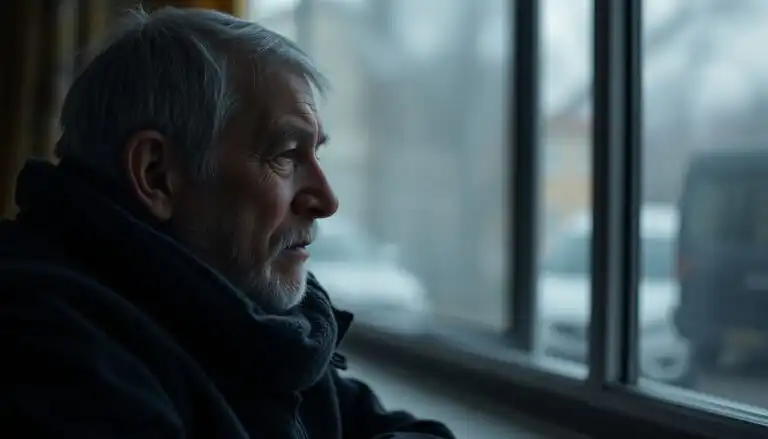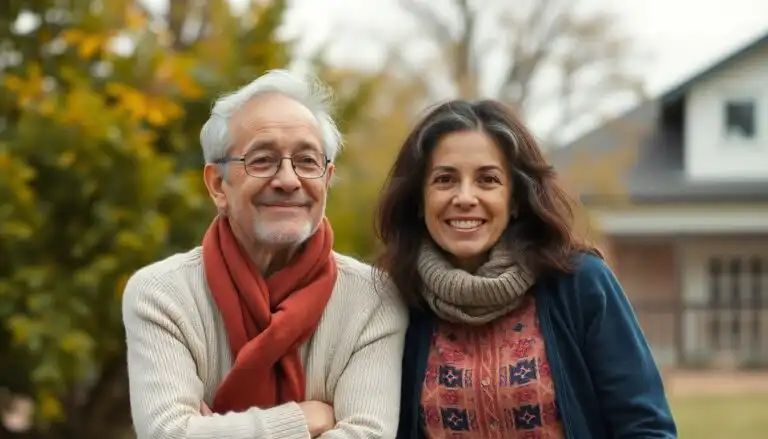
When someone is outwardly cheerful but still feels deeply alone: Australians have long mastered the art of the broad smile and the “no worries” attitude. Even when the chips are down, there is a cultural expectation to keep a stiff upper lip and project a sense of easygoing resilience to those around us.
However, beneath the surface of a sunny disposition, many individuals navigate a profound sense of isolation. This emotional gap between what the world sees and what the heart feels is more common than we think, often hiding behind busy social calendars and helpful gestures.
Psychologists suggest that while these individuals may look like they are thriving at a backyard BBQ or a Friday night footy catch-up, certain subtle patterns emerge. Recognising these signs requires looking past the laughter to see the quiet disconnect lurking in the shadows.
The Complexity of Smiling Solitude
The contrast between public happiness and private loneliness is a unique psychological state. It is not necessarily a deliberate attempt to deceive others, but rather a protective mechanism used to maintain social harmony or avoid being a “burden” on mates.
- Psychology says people who grow apart from their family as they age aren’t cold or ungrateful – they’re often the ones who finally stopped performing a version of themselves that kept the peace but cost them their identity
- I’m 65 and the most frightening thing about losing my joy wasn’t losing it — it was how long it took me to notice it was gone, like a light that dims so slowly you keep thinking the room is fine until one day you can’t read anything anymore
- Psychologists say the bond between a person and the dog that sleeps in their bed isn’t comparable to human attachment. It’s actually more stable, because the dog never withdraws affection as punishment, never keeps score, and never makes closeness conditional on performance.
- Psychology says the quiet rage many older men carry isn’t bitterness, it’s the accumulation of decades where expressing vulnerability would have cost them everything — their authority, their marriages, their self-respect — so they stored it as anger because anger was the only emotion their generation allowed men to keep
- Centrelink Digital Payment System From 1 April 2026: Faster Benefit Deposits For Australians
In Australia, the “Tall Poppy” syndrome and a historical emphasis on rugged individualism can make it difficult for people to admit they are struggling. When someone feels they must always be the light in the room, the weight of that expectation often creates a barrier to genuine connection.
This internalised loneliness is distinct from social isolation. An individual can be surrounded by family, colleagues, and friends at a busy local pub while still feeling as though they are on a different planet. The following behaviors often serve as the only breadcrumbs leading to the truth.
“The mask of cheerfulness often serves as a social shield. By projecting radiant energy, an individual creates a safe distance that prevents others from probing into deeper emotional vulnerabilities, effectively hiding their loneliness in plain sight.”
1. Over-Committing to Social Plans
One of the most frequent behaviors seen in those feeling disconnected is a tendency to say “yes” to every single invitation. Whether it is a quick coffee in Subiaco or a weekend trip to the Hunter Valley, they fill their diary to the brim to avoid the silence of their own company.
- If You Want To Find True Inner Peace, Start Saying “no” to These 8 Things
- Psychology says the parents whose adult children gradually stop visiting aren’t usually the ones who were cruel or absent — they’re often the ones so focused on providing and protecting that they never learned to simply be company, and children grow up moving towards the people they feel easy with rather than the people they owe the most to
- Goodbye to Low Pension Payments: Australians Could Receive Over $1,178 From 1 April 2026
- Psychology says the reason most people never change their lives isn’t fear of failure – it’s that they’ve spent so long performing a version of themselves for other people that they genuinely can’t tell anymore which desires are actually theirs
- I worked for 42 years, retired with more money than I ever imagined having, and by the third Wednesday of my new life I was reorganizing the garage at 10 a.m. just to feel like someone still expected something from me
This hyper-sociability acts as a distraction. By constantly being around others, they hope to absorb some of the collective joy, yet the interactions often remain surface-level. The busyness provides a convenient excuse to avoid the quiet moments where lonely thoughts tend to surface.
2. The Defensive Use of Humour
While Australians love a good laugh, those masking deep loneliness often use self-deprecating or deflective humour as a primary communication style. They are usually the ones cracking jokes or making fun of their own mishaps to keep the conversation light.
If a conversation takes a serious turn toward their own well-being, they will quickly pivot back to a funny anecdote. This ensures they remain the “entertainer,” a role that keeps people at arm’s length while maintaining the illusion of intimacy and openness.
3. Excessive Caretaking of Others
A quiet sign of a lonely but cheerful person is their intense focus on everyone else’s problems. They are the first to offer a hand with a house move or stay late to help a colleague finish a report. By becoming the ultimate “helper,” they shift the spotlight away from themselves.
- Psychology says people who grow apart from their family as they age aren’t cold or ungrateful – they’re often the ones who finally stopped performing a version of themselves that kept the peace but cost them their identity
- I’m 65 and the most frightening thing about losing my joy wasn’t losing it — it was how long it took me to notice it was gone, like a light that dims so slowly you keep thinking the room is fine until one day you can’t read anything anymore
- Psychologists say the bond between a person and the dog that sleeps in their bed isn’t comparable to human attachment. It’s actually more stable, because the dog never withdraws affection as punishment, never keeps score, and never makes closeness conditional on performance.
- Psychology says the quiet rage many older men carry isn’t bitterness, it’s the accumulation of decades where expressing vulnerability would have cost them everything — their authority, their marriages, their self-respect — so they stored it as anger because anger was the only emotion their generation allowed men to keep
- Centrelink Digital Payment System From 1 April 2026: Faster Benefit Deposits For Australians
This behavior creates a feeling of being needed, which can temporarily soothe the ache of loneliness. However, because they rarely ask for help in return, the relationship remains one-sided. They end up supporting everyone else while their own emotional bucket remains empty.
4. Frequent But Shallow Digital Presence
In an era of social media, these individuals might be very active on platforms like Instagram or LinkedIn. They share beautiful photos of Australian sunsets or group dinners, reinforcing the image of a vibrant life.
The disconnect lies in the nature of these interactions. They might “like” every post and leave celebratory comments, but they rarely engage in deep, one-on-one digital conversations. The goal is to stay visible and relevant without having to be truly vulnerable or seen.
5. Heightened Sensitivity to Rejection
For someone who already feels alone, even a minor social slight can feel catastrophic. If a friend cancels a lunch date at the last minute, they might respond with a cheerful “All good, mate!” while internally spiralling into a sense of worthlessness.
- If You Want To Find True Inner Peace, Start Saying “no” to These 8 Things
- Psychology says the parents whose adult children gradually stop visiting aren’t usually the ones who were cruel or absent — they’re often the ones so focused on providing and protecting that they never learned to simply be company, and children grow up moving towards the people they feel easy with rather than the people they owe the most to
- Goodbye to Low Pension Payments: Australians Could Receive Over $1,178 From 1 April 2026
- Psychology says the reason most people never change their lives isn’t fear of failure – it’s that they’ve spent so long performing a version of themselves for other people that they genuinely can’t tell anymore which desires are actually theirs
- I worked for 42 years, retired with more money than I ever imagined having, and by the third Wednesday of my new life I was reorganizing the garage at 10 a.m. just to feel like someone still expected something from me
They are hyper-aware of social cues and will often over-analyse a brief text or a change in someone’s tone of voice. This sensitivity stems from the fear that their “mask” isn’t working and that people are intentionally distancing themselves.
6. Sudden “Disappearing” Acts
Despite their outward cheer, these individuals often have moments where they completely vanish from the social scene without warning. After a period of being the life of the party, they might go “radio silent” for a few days or weeks.
This is usually a period of total emotional exhaustion. Maintaining the persona of the happy, easygoing friend requires immense energy. When the battery runs out, they retreat to recover, only to emerge later with their usual smile firmly back in place.
“Loneliness isn’t always about being alone; it is about the quality of the connection. A person can be highly social but feel invisible because they believe no one truly knows the person behind the pleasant exterior.”
Also Read
- Psychology says people who grow apart from their family as they age aren’t cold or ungrateful – they’re often the ones who finally stopped performing a version of themselves that kept the peace but cost them their identity
- I’m 65 and the most frightening thing about losing my joy wasn’t losing it — it was how long it took me to notice it was gone, like a light that dims so slowly you keep thinking the room is fine until one day you can’t read anything anymore
- Psychologists say the bond between a person and the dog that sleeps in their bed isn’t comparable to human attachment. It’s actually more stable, because the dog never withdraws affection as punishment, never keeps score, and never makes closeness conditional on performance.
- Psychology says the quiet rage many older men carry isn’t bitterness, it’s the accumulation of decades where expressing vulnerability would have cost them everything — their authority, their marriages, their self-respect — so they stored it as anger because anger was the only emotion their generation allowed men to keep
- Centrelink Digital Payment System From 1 April 2026: Faster Benefit Deposits For Australians
7. Perfectionism in Public Appearance
There is often a correlation between hidden loneliness and a polished public image. These individuals often take great care to look “put together,” whether they are heading to the office or just the local shops.
By controlling their physical appearance, they exert control over how the world perceives them. If they look successful and happy, they assume no one will ask the difficult questions. It is a form of visual camouflage that keeps their internal struggle private.
8. Reluctance to Share Personal Struggles
Even when things go wrong—such as a breakup, a job loss, or a health scare—these individuals will downplay the situation. They might mention it in passing with a shrug, framing it as a minor inconvenience rather than a major life stressor.
They fear that sharing their true burdens will drive people away or make them appear “weak.” This keeps their friendships focused on the positive, which ultimately prevents the deep, soulful connection that would actually alleviate their loneliness.
- If You Want To Find True Inner Peace, Start Saying “no” to These 8 Things
- Psychology says the parents whose adult children gradually stop visiting aren’t usually the ones who were cruel or absent — they’re often the ones so focused on providing and protecting that they never learned to simply be company, and children grow up moving towards the people they feel easy with rather than the people they owe the most to
- Goodbye to Low Pension Payments: Australians Could Receive Over $1,178 From 1 April 2026
- Psychology says the reason most people never change their lives isn’t fear of failure – it’s that they’ve spent so long performing a version of themselves for other people that they genuinely can’t tell anymore which desires are actually theirs
- I worked for 42 years, retired with more money than I ever imagined having, and by the third Wednesday of my new life I was reorganizing the garage at 10 a.m. just to feel like someone still expected something from me
9. Unusual Sleep Patterns or Habits
Psychological distress often manifests in physical ways. Those who are lonely but cheerful might struggle with insomnia or, conversely, may sleep excessively. They might also develop “comfort” habits, such as late-night snacking or binge-watching shows, to fill the hours when their social mask is off.
During the day, they are 100% “on,” but the nighttime hours reveal the reality of their isolation. These quiet hours are often when the weight of their disconnect is felt most acutely, far from the eyes of their peers.
10. A High Degree of Empathy for Others
Interestingly, people who feel alone are often the most empathetic. They are highly tuned into the feelings of those around them because they know exactly what it feels like to be misunderstood or overlooked.
They will notice if a friend looks slightly down and will go out of their way to cheer them up. This deep empathy is a beautiful trait, but for the lonely-cheerful person, it is often a one-way street. They provide the emotional safety for everyone else that they desperately crave for themselves.
- Psychology says people who grow apart from their family as they age aren’t cold or ungrateful – they’re often the ones who finally stopped performing a version of themselves that kept the peace but cost them their identity
- I’m 65 and the most frightening thing about losing my joy wasn’t losing it — it was how long it took me to notice it was gone, like a light that dims so slowly you keep thinking the room is fine until one day you can’t read anything anymore
- Psychologists say the bond between a person and the dog that sleeps in their bed isn’t comparable to human attachment. It’s actually more stable, because the dog never withdraws affection as punishment, never keeps score, and never makes closeness conditional on performance.
- Psychology says the quiet rage many older men carry isn’t bitterness, it’s the accumulation of decades where expressing vulnerability would have cost them everything — their authority, their marriages, their self-respect — so they stored it as anger because anger was the only emotion their generation allowed men to keep
- Centrelink Digital Payment System From 1 April 2026: Faster Benefit Deposits For Australians
Statistical Context of Loneliness in Australia
The prevalence of loneliness is a significant concern for public health. Research indicates that a substantial portion of the population feels a lack of companionship or a sense of being left out, regardless of their social status.
| Demographic Group | Reported Feeling of Loneliness | Social Frequency (Weekly) |
|---|---|---|
| Young Adults (18-24) | 35% | High |
| Working Professionals | 22% | Medium |
| Retirees | 15% | Low |
| Remote Workers | 28% | Low |
Bridging the Gap Between Surface and Soul
Moving past this disconnect requires a shift in how we approach social interaction. For the person feeling alone, it involves the frightening step of dropping the mask and allowing others to see their authentic, sometimes messy, self.
For friends and family, it means looking beyond the “I’m fine” and the constant jokes. It involves asking the second or third question—checking in not just once, but twice. Creating a space where it is safe to be “not okay” is the best way to help someone who is hiding their loneliness behind a smile.
Breaking the cycle of the cheerful-but-lonely persona isn’t about stopping the smiles altogether. It is about ensuring that the smile is a genuine reflection of internal well-being rather than a barrier built to keep the world out.
- If You Want To Find True Inner Peace, Start Saying “no” to These 8 Things
- Psychology says the parents whose adult children gradually stop visiting aren’t usually the ones who were cruel or absent — they’re often the ones so focused on providing and protecting that they never learned to simply be company, and children grow up moving towards the people they feel easy with rather than the people they owe the most to
- Goodbye to Low Pension Payments: Australians Could Receive Over $1,178 From 1 April 2026
- Psychology says the reason most people never change their lives isn’t fear of failure – it’s that they’ve spent so long performing a version of themselves for other people that they genuinely can’t tell anymore which desires are actually theirs
- I worked for 42 years, retired with more money than I ever imagined having, and by the third Wednesday of my new life I was reorganizing the garage at 10 a.m. just to feel like someone still expected something from me
FAQs – When someone is outwardly cheerful but feels alone
What is “smiling loneliness”?
While not a clinical diagnosis, it refers to the phenomenon of appearing happy and high-functioning to others while internally experiencing symptoms of loneliness or depression.
Why do people hide their loneliness?
Many hide it to avoid being a burden, to maintain a professional reputation, or because they feel a cultural pressure to remain positive and “easygoing” at all times.
Can you be popular and still be lonely?
Yes. Popularity is based on the number of connections, whereas loneliness is based on the quality and depth of those connections. You can have many friends but no true confidants.
How can I tell if a cheerful friend is actually struggling?
Look for inconsistent behaviors, such as sudden withdrawals after social events, over-commitment to tasks, or a total refusal to discuss personal problems even when prompted.
- Psychology says people who grow apart from their family as they age aren’t cold or ungrateful – they’re often the ones who finally stopped performing a version of themselves that kept the peace but cost them their identity
- I’m 65 and the most frightening thing about losing my joy wasn’t losing it — it was how long it took me to notice it was gone, like a light that dims so slowly you keep thinking the room is fine until one day you can’t read anything anymore
- Psychologists say the bond between a person and the dog that sleeps in their bed isn’t comparable to human attachment. It’s actually more stable, because the dog never withdraws affection as punishment, never keeps score, and never makes closeness conditional on performance.
- Psychology says the quiet rage many older men carry isn’t bitterness, it’s the accumulation of decades where expressing vulnerability would have cost them everything — their authority, their marriages, their self-respect — so they stored it as anger because anger was the only emotion their generation allowed men to keep
- Centrelink Digital Payment System From 1 April 2026: Faster Benefit Deposits For Australians
Does social media make this disconnect worse?
It can. Social media encourages us to post our “highlight reels,” which reinforces the need to look happy and successful, making it harder to admit to feeling isolated in real life.
What is the first step to feeling less alone?
The first step is often vulnerability. Sharing a small, genuine truth about how you are feeling with a trusted person can start to break down the wall of isolation.
Is this behavior common in Australian culture?
In Australia, the “laid-back” cultural identity can sometimes make it difficult for people to speak up about emotional struggles for fear of appearing too serious or “heavy.”
How do I support someone who won’t admit they are lonely?
Consistency is key. Continue to show up, offer low-pressure social opportunities, and share your own vulnerabilities first to show them that it is safe to be honest.