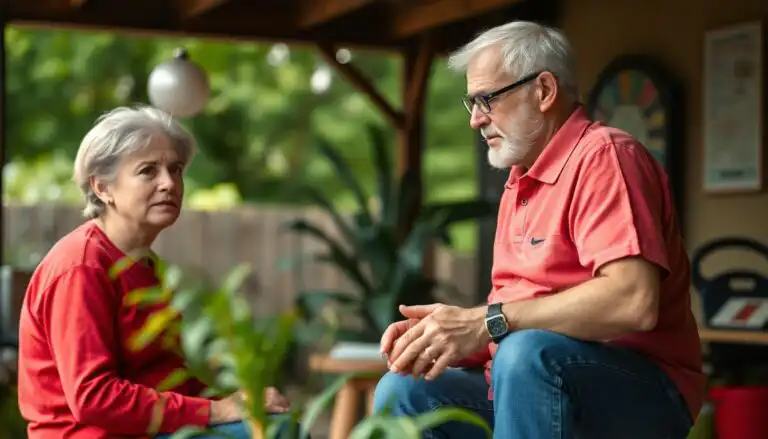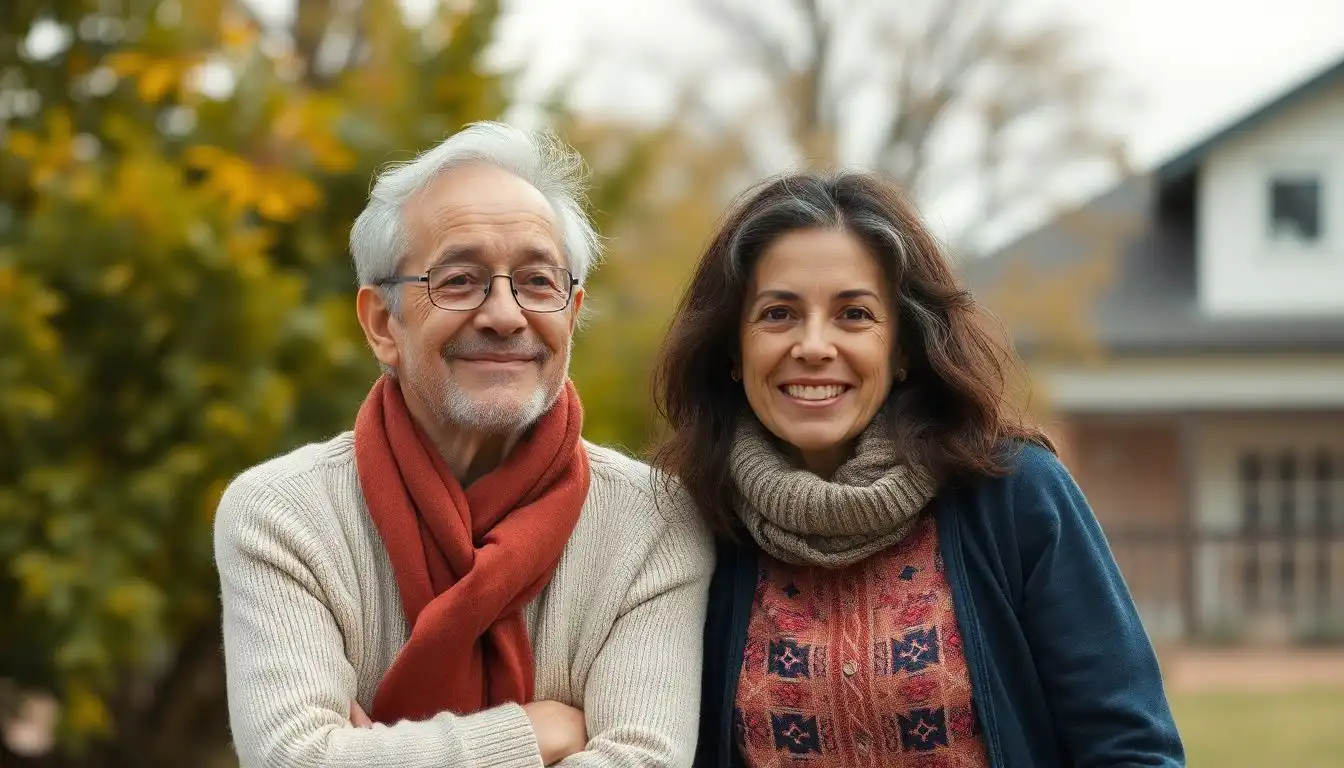
Psychology says people who grow apart from their family as they age: The quiet distancing that often occurs in adulthood is frequently misunderstood by society. Rather than being an act of spite, this shift usually marks the moment an individual chooses their own mental health over the heavy burden of family expectations.
For many Australians, the Christmas barbecue or the Sunday roast becomes a stage for an exhausting performance. People find themselves reverting to childhood roles that no longer fit, suppressing their true values just to avoid a blowout with their siblings or parents.
This phenomenon is not about being “cold” or “ungrateful” for one’s upbringing. It is about the exhaustion that comes from wearing a mask for decades and the eventual realization that peace bought at the cost of one’s identity is far too expensive.
The Heavy Toll of Family Performance
The concept of “keeping the peace” is deeply ingrained in the Australian psyche, often linked to the idea of being a “good sport” or not “making a scene.” However, this social glue can become a suffocating wrap for someone whose personal growth clashes with the family’s rigid narrative.
- Psychology says the reason most people never change their lives isn’t fear of failure – it’s that they’ve spent so long performing a version of themselves for other people that they genuinely can’t tell anymore which desires are actually theirs
- Psychologists say the bond between a person and the dog that sleeps in their bed isn’t comparable to human attachment. It’s actually more stable, because the dog never withdraws affection as punishment, never keeps score, and never makes closeness conditional on performance.
- I’m 65 and the most frightening thing about losing my joy wasn’t losing it — it was how long it took me to notice it was gone, like a light that dims so slowly you keep thinking the room is fine until one day you can’t read anything anymore
- Psychology says the parents whose adult children gradually stop visiting aren’t usually the ones who were cruel or absent — they’re often the ones so focused on providing and protecting that they never learned to simply be company, and children grow up moving towards the people they feel easy with rather than the people they owe the most to
- Psychology says the quiet rage many older men carry isn’t bitterness, it’s the accumulation of decades where expressing vulnerability would have cost them everything — their authority, their marriages, their self-respect — so they stored it as anger because anger was the only emotion their generation allowed men to keep
When a person begins to age and gain perspective, the energy required to maintain these false personas starts to wane. They may no longer want to laugh at jokes they find offensive or stay silent when their life choices are subtly undermined over a pavlova.
This internal conflict creates a profound sense of isolation. You can be in a room full of blood relatives and feel completely alone because no one there actually knows the real you. They only know the version of you that complies with their comfort levels.
Psychological maturity often involves the difficult realization that your family’s loyalty is sometimes conditional on you staying the same. When you change, grow, or set boundaries, the resulting friction is often mislabeled as betrayal rather than necessary personal evolution.
Shifting Dynamics in the Australian Household
Modern Australian families are navigating a landscape far different from that of previous generations. With the rising cost of living and the pressure of the housing market, many adults find themselves entangled with their parents longer than they’d like, adding layers of complexity to these relationships.
- Psychology says the reason most people never change their lives isn’t fear of failure – it’s that they’ve spent so long performing a version of themselves for other people that they genuinely can’t tell anymore which desires are actually theirs
- Psychologists say the bond between a person and the dog that sleeps in their bed isn’t comparable to human attachment. It’s actually more stable, because the dog never withdraws affection as punishment, never keeps score, and never makes closeness conditional on performance.
- I’m 65 and the most frightening thing about losing my joy wasn’t losing it — it was how long it took me to notice it was gone, like a light that dims so slowly you keep thinking the room is fine until one day you can’t read anything anymore
- Psychology says the parents whose adult children gradually stop visiting aren’t usually the ones who were cruel or absent — they’re often the ones so focused on providing and protecting that they never learned to simply be company, and children grow up moving towards the people they feel easy with rather than the people they owe the most to
- Psychology says the quiet rage many older men carry isn’t bitterness, it’s the accumulation of decades where expressing vulnerability would have cost them everything — their authority, their marriages, their self-respect — so they stored it as anger because anger was the only emotion their generation allowed men to keep
The data suggests that the reasons for distancing are rarely impulsive. They are usually the result of years of “micro-stressors” that finally reach a breaking point. It is the cumulative effect of being unheard or dismissed that leads to the eventual withdrawal.
| Factor for Distancing | Percentage of Adults Reporting | Common Emotional Impact |
|---|---|---|
| Value Clashes | 62% | Feeling misunderstood or judged |
| Boundary Violations | 55% | Resentment and loss of autonomy |
| Historical Trauma | 48% | Hyper-vigilance during visits |
| Performance Fatigue | 41% | Emotional exhaustion and burnout |
The Myth of the Ungrateful Child
Society often views family estrangement or distancing through a lens of morality. There is a common cultural script that suggests no matter what happens, “family is family,” and one must always show gratitude for their upbringing by remaining present.
This narrative ignores the reality that many adults were forced into roles—the protector, the achiever, the scapegoat—that served the family’s stability but stunted their own emotional health. Stepping away from these roles is an act of self-preservation.
Choosing to spend a long weekend camping alone rather than at a tense family reunion isn’t about lack of love. It is about reclaiming the Sunday afternoon from the anxiety of being criticized or corrected.
- Psychology says the reason most people never change their lives isn’t fear of failure – it’s that they’ve spent so long performing a version of themselves for other people that they genuinely can’t tell anymore which desires are actually theirs
- Psychologists say the bond between a person and the dog that sleeps in their bed isn’t comparable to human attachment. It’s actually more stable, because the dog never withdraws affection as punishment, never keeps score, and never makes closeness conditional on performance.
- I’m 65 and the most frightening thing about losing my joy wasn’t losing it — it was how long it took me to notice it was gone, like a light that dims so slowly you keep thinking the room is fine until one day you can’t read anything anymore
- Psychology says the parents whose adult children gradually stop visiting aren’t usually the ones who were cruel or absent — they’re often the ones so focused on providing and protecting that they never learned to simply be company, and children grow up moving towards the people they feel easy with rather than the people they owe the most to
- Psychology says the quiet rage many older men carry isn’t bitterness, it’s the accumulation of decades where expressing vulnerability would have cost them everything — their authority, their marriages, their self-respect — so they stored it as anger because anger was the only emotion their generation allowed men to keep
The Price of Identity in Family Systems
Every family has an unwritten set of rules and a “mythology” about who each member is. When one person decides to stop playing their assigned part, the entire system feels threatened. The family may react by trying to “guilt-trip” the individual back into their old role.
This resistance from the family often proves the individual’s point. It shows that the family is more invested in the status quo than in the genuine wellbeing of the person. This realization is often the final push needed to create significant distance.
The transition from a “peacekeeper” to an “authentic self” involves a period of intense grief. One loses the dream of the family they wished they had while trying to navigate the reality of the family they actually have.
Growth is inherently disruptive. In a family system that relies on everyone playing a specific part, one person’s healing can feel like an attack on the group. Distancing becomes the only way to protect the progress made in therapy or personal reflection.
Also Read
- Psychology says the reason most people never change their lives isn’t fear of failure – it’s that they’ve spent so long performing a version of themselves for other people that they genuinely can’t tell anymore which desires are actually theirs
- Psychologists say the bond between a person and the dog that sleeps in their bed isn’t comparable to human attachment. It’s actually more stable, because the dog never withdraws affection as punishment, never keeps score, and never makes closeness conditional on performance.
- I’m 65 and the most frightening thing about losing my joy wasn’t losing it — it was how long it took me to notice it was gone, like a light that dims so slowly you keep thinking the room is fine until one day you can’t read anything anymore
- Psychology says the parents whose adult children gradually stop visiting aren’t usually the ones who were cruel or absent — they’re often the ones so focused on providing and protecting that they never learned to simply be company, and children grow up moving towards the people they feel easy with rather than the people they owe the most to
- Psychology says the quiet rage many older men carry isn’t bitterness, it’s the accumulation of decades where expressing vulnerability would have cost them everything — their authority, their marriages, their self-respect — so they stored it as anger because anger was the only emotion their generation allowed men to keep
Setting Boundaries Is Not a Rejection
In many Australian circles, the word “boundary” is treated like a dirty word. It is seen as something “fancy” or “unnecessary.” Yet, boundaries are exactly what allow relationships to survive over the long term without turning into resentment.
When a person says they can no longer discuss certain topics or attend every single family event, they are trying to find a way to stay in the relationship without losing their mind. If the family refuses to honor these boundaries, the individual is left with no choice but to pull further away.
This distance provides the “breathing room” required to figure out who they are outside of the family shadow. It is often during these periods of distance that people find their true passions, careers, and chosen families.
The “Peace at Any Price” Trap
The cost of maintaining family peace is often paid in mental health dividends. Constant masking leads to high levels of cortisol and chronic stress. Over time, the body simply refuses to keep up the charade.
- Psychology says the reason most people never change their lives isn’t fear of failure – it’s that they’ve spent so long performing a version of themselves for other people that they genuinely can’t tell anymore which desires are actually theirs
- Psychologists say the bond between a person and the dog that sleeps in their bed isn’t comparable to human attachment. It’s actually more stable, because the dog never withdraws affection as punishment, never keeps score, and never makes closeness conditional on performance.
- I’m 65 and the most frightening thing about losing my joy wasn’t losing it — it was how long it took me to notice it was gone, like a light that dims so slowly you keep thinking the room is fine until one day you can’t read anything anymore
- Psychology says the parents whose adult children gradually stop visiting aren’t usually the ones who were cruel or absent — they’re often the ones so focused on providing and protecting that they never learned to simply be company, and children grow up moving towards the people they feel easy with rather than the people they owe the most to
- Psychology says the quiet rage many older men carry isn’t bitterness, it’s the accumulation of decades where expressing vulnerability would have cost them everything — their authority, their marriages, their self-respect — so they stored it as anger because anger was the only emotion their generation allowed men to keep
Psychology points out that the “rebellious” child or the “distant” adult is often the most honest person in the room. They are the ones refusing to participate in the collective denial of toxic patterns or unhealthy communication styles.
By stepping back, these individuals are breaking generational cycles. They are ensuring that their own children do not grow up in an environment where they have to hide their true selves to be loved or accepted.
Ending the cycle of performance requires a brave confrontation with loneliness. It is the choice to be disliked for who you are rather than loved for someone you are not. This is the cornerstone of psychological maturity.
Navigating the Loneliness of Growth
Growing apart from family doesn’t happen overnight. It is a slow fade that starts with a missed phone call and ends with a different way of living. While it creates a healthier life, the initial stages can feel incredibly lonely.
- Psychology says the reason most people never change their lives isn’t fear of failure – it’s that they’ve spent so long performing a version of themselves for other people that they genuinely can’t tell anymore which desires are actually theirs
- Psychologists say the bond between a person and the dog that sleeps in their bed isn’t comparable to human attachment. It’s actually more stable, because the dog never withdraws affection as punishment, never keeps score, and never makes closeness conditional on performance.
- I’m 65 and the most frightening thing about losing my joy wasn’t losing it — it was how long it took me to notice it was gone, like a light that dims so slowly you keep thinking the room is fine until one day you can’t read anything anymore
- Psychology says the parents whose adult children gradually stop visiting aren’t usually the ones who were cruel or absent — they’re often the ones so focused on providing and protecting that they never learned to simply be company, and children grow up moving towards the people they feel easy with rather than the people they owe the most to
- Psychology says the quiet rage many older men carry isn’t bitterness, it’s the accumulation of decades where expressing vulnerability would have cost them everything — their authority, their marriages, their self-respect — so they stored it as anger because anger was the only emotion their generation allowed men to keep
Australians often find solace in their “chosen family”—friends who offer the support and acceptance that their biological relatives cannot. These bonds are built on mutual respect and shared interests rather than the obligation of blood.
The goal of distancing isn’t usually to never speak again. It is to find a new “safe distance” where one can be a polite visitor without being a hollowed-out participant. It is about finding a balance that honors the past without sacrificing the future.
FAQs – Psychology of family distancing
Is it normal to feel guilty for avoiding family gatherings?
Yes, guilt is a natural response to breaking social and familial norms. However, feeling guilty doesn’t mean you’ve done something wrong; it often just means you’re unlearning the habit of putting everyone else’s comfort before your own safety.
Does distancing always lead to permanent estrangement?
Not necessarily. Many people find that taking a break or setting firm boundaries allows them to reconnect later on a much healthier and more honest basis, though some may choose to remain distant permanently if the environment remains toxic.
- Psychology says the reason most people never change their lives isn’t fear of failure – it’s that they’ve spent so long performing a version of themselves for other people that they genuinely can’t tell anymore which desires are actually theirs
- Psychologists say the bond between a person and the dog that sleeps in their bed isn’t comparable to human attachment. It’s actually more stable, because the dog never withdraws affection as punishment, never keeps score, and never makes closeness conditional on performance.
- I’m 65 and the most frightening thing about losing my joy wasn’t losing it — it was how long it took me to notice it was gone, like a light that dims so slowly you keep thinking the room is fine until one day you can’t read anything anymore
- Psychology says the parents whose adult children gradually stop visiting aren’t usually the ones who were cruel or absent — they’re often the ones so focused on providing and protecting that they never learned to simply be company, and children grow up moving towards the people they feel easy with rather than the people they owe the most to
- Psychology says the quiet rage many older men carry isn’t bitterness, it’s the accumulation of decades where expressing vulnerability would have cost them everything — their authority, their marriages, their self-respect — so they stored it as anger because anger was the only emotion their generation allowed men to keep
Why does my family get angry when I try to be myself?
Families often rely on predictability. When you stop “performing” your old role, it forces everyone else to look at their own behaviors, which can cause discomfort and defensive anger as they try to push you back into your previous box.
Is distancing “selfish”?
Protecting your mental health and identity is an act of self-care, not selfishness. You cannot show up authentically for others if you are dying inside from the effort of pretending to be someone you aren’t.
How do I explain my need for distance to my parents?
You can explain that you need some space to focus on your own well-being. You don’t need to provide a list of grievances; a simple statement that you are taking some time to find your own path is often enough, regardless of how they receive it.
Does “chosen family” replace biological family?
For many, a chosen family provides the emotional safety and validation that blood relatives might lack. It doesn’t necessarily delete the past, but it provides a healthier blueprint for what relationships should look like moving forward.