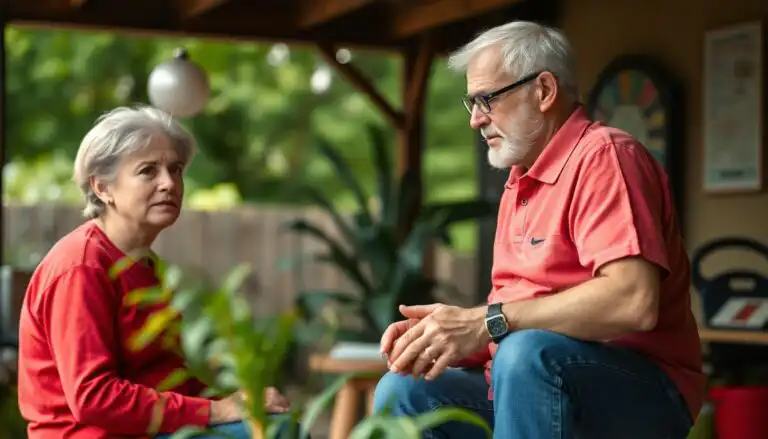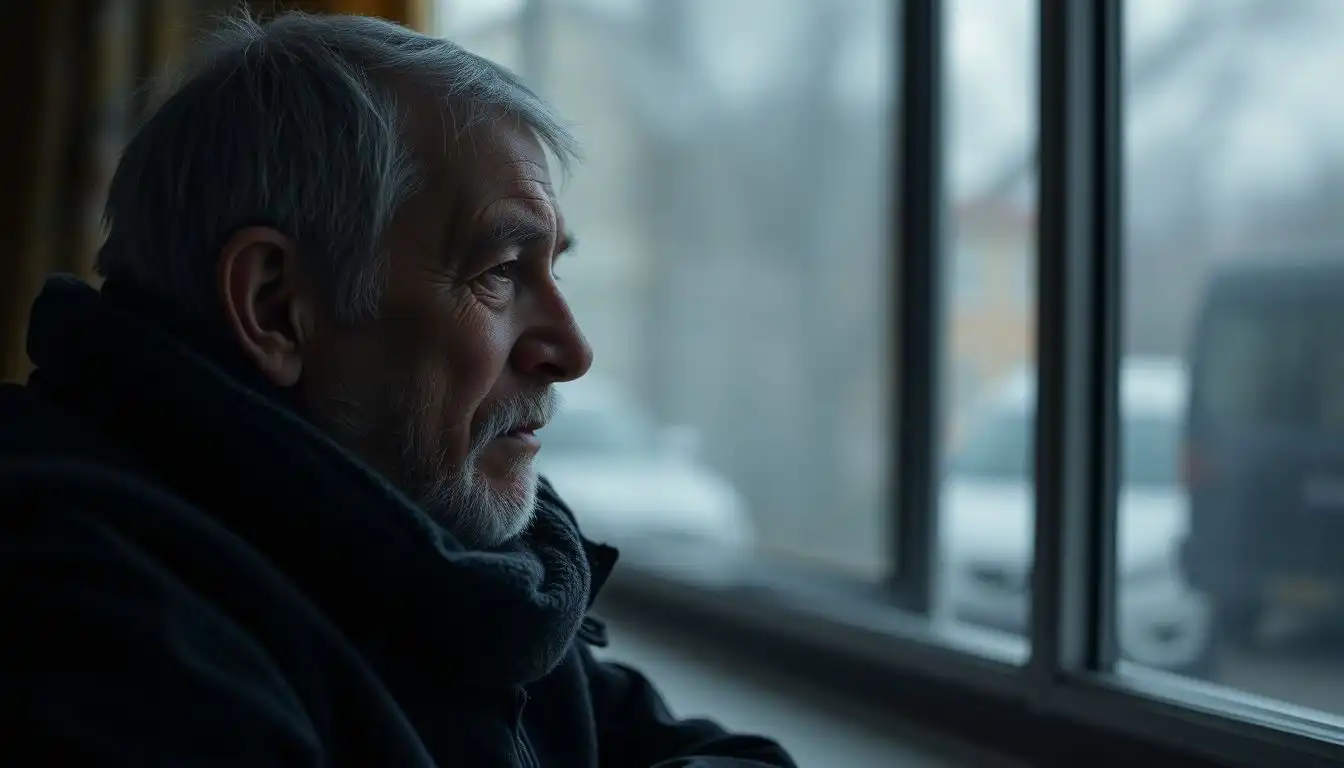
The quiet rage many older men carry: This emotional burden is often mistaken for simple bitterness or a grumpy disposition. In reality, modern psychology reveals it is the weight of decades spent suppressing vulnerability to protect their roles as providers and protectors.
For many Australian men in their 60s, 70s, and beyond, showing fear or sadness was never an option. From the job site to the family dinner table, they were taught that stoicism was the only acceptable mask for a “real man” to wear.
When emotions like grief, exhaustion, or anxiety are denied an outlet, they do not simply vanish. They ferment into a simmering anger—the only emotion the social playground of the 20th century actually allowed men to keep.
The Architecture of the “Great Australian Silence”
For generations of Australian men, the cultural landscape was defined by the concept of the “strong, silent type.” This wasn’t just a cinematic trope; it was a survival mechanism in a society that valued physical toughness and financial reliability above all else.
- I worked for 42 years, retired with more money than I ever imagined having, and by the third Wednesday of my new life I was reorganizing the garage at 10 a.m. just to feel like someone still expected something from me
- Psychologists say the bond between a person and the dog that sleeps in their bed isn’t comparable to human attachment. It’s actually more stable, because the dog never withdraws affection as punishment, never keeps score, and never makes closeness conditional on performance.
- Psychology says the parents whose adult children gradually stop visiting aren’t usually the ones who were cruel or absent — they’re often the ones so focused on providing and protecting that they never learned to simply be company, and children grow up moving towards the people they feel easy with rather than the people they owe the most to
- If You Want To Find True Inner Peace, Start Saying “no” to These 8 Things
- Psychology says the reason most people never change their lives isn’t fear of failure – it’s that they’ve spent so long performing a version of themselves for other people that they genuinely can’t tell anymore which desires are actually theirs
Whether working in the mines of Western Australia, farming the Riverina, or navigating the corporate towers of Sydney, these men operated under a strict emotional contract. Vulnerability was seen as a liability that could cost them their authority at work or the respect of their peers at the local RSL.
This silence wasn’t a choice but a social requirement. To admit to a mental health struggle or a feeling of inadequacy was to risk being labeled “soft” or “weak.” Consequently, the only safe way to express high-arousal emotion was through frustration or irritation.
Decades of emotional suppression create a biological bottleneck where the nervous system remains in a perpetual state of high alert. When sadness is forbidden, the brain defaults to anger as a protective shield against the perceived threat of appearing weak or incapable.
The High Cost of Maintaining the Alpha Mask
The psychological toll of this internal hoarding is immense. Older men often find themselves trapped in a paradox: they are lonely yet unable to reach out, and they are tired but feel they must keep “soldiering on” to maintain their self-respect.
- I worked for 42 years, retired with more money than I ever imagined having, and by the third Wednesday of my new life I was reorganizing the garage at 10 a.m. just to feel like someone still expected something from me
- Psychologists say the bond between a person and the dog that sleeps in their bed isn’t comparable to human attachment. It’s actually more stable, because the dog never withdraws affection as punishment, never keeps score, and never makes closeness conditional on performance.
- Psychology says the parents whose adult children gradually stop visiting aren’t usually the ones who were cruel or absent — they’re often the ones so focused on providing and protecting that they never learned to simply be company, and children grow up moving towards the people they feel easy with rather than the people they owe the most to
- If You Want To Find True Inner Peace, Start Saying “no” to These 8 Things
- Psychology says the reason most people never change their lives isn’t fear of failure – it’s that they’ve spent so long performing a version of themselves for other people that they genuinely can’t tell anymore which desires are actually theirs
In the context of an Australian marriage, this dynamic can be particularly explosive. Wives and partners often bear the brunt of this quiet rage, not understanding that the anger is directed inward at a lifetime of unmet emotional needs rather than at them personally.
Years of prioritizing “the mission”—paying off the mortgage, funding the kids’ education, and securing a comfortable retirement—have left many men with no vocabulary for their inner world. When the work finally stops, the sudden absence of structure allows long-buried grievances to bubble to the surface.
The Social and Financial Pressures of the “Provider” Era
Many men who grew up in the mid-to-late 20th century viewed their value strictly through a fiscal lens. Their worth was tied to the Australian Dollar and their ability to keep the “wolf from the door.” This pressure created a rigid persona that left little room for personal growth or emotional exploration.
| Generation Era | Primary Social Expectation | Standard Emotional Outlet |
|---|---|---|
| Post-War / Boomer | Financial Stability & Provider Role | Stoicism or Practical Anger |
| Early Gen X | Professional Success & Competitiveness | High-Stress “Burnout” |
| Millennials / Zoomers | Emotional Intelligence & Work-Life Balance | Therapy and Open Discourse |
Why Anger Became the Only Allowed Emotion
In the traditional school of Australian masculinity, the emotional palette was remarkably limited. Joy was allowed during a Grand Final victory, and anger was allowed when things went wrong on a worksite. Every other feeling fell into a grey zone of social risk.
- I worked for 42 years, retired with more money than I ever imagined having, and by the third Wednesday of my new life I was reorganizing the garage at 10 a.m. just to feel like someone still expected something from me
- Psychologists say the bond between a person and the dog that sleeps in their bed isn’t comparable to human attachment. It’s actually more stable, because the dog never withdraws affection as punishment, never keeps score, and never makes closeness conditional on performance.
- Psychology says the parents whose adult children gradually stop visiting aren’t usually the ones who were cruel or absent — they’re often the ones so focused on providing and protecting that they never learned to simply be company, and children grow up moving towards the people they feel easy with rather than the people they owe the most to
- If You Want To Find True Inner Peace, Start Saying “no” to These 8 Things
- Psychology says the reason most people never change their lives isn’t fear of failure – it’s that they’ve spent so long performing a version of themselves for other people that they genuinely can’t tell anymore which desires are actually theirs
Anger provides a sense of control and power. For a man who feels he is losing his grip on his health, his status in a changing world, or his relevance within a modern family, rage acts as a defensive fortress. It is a way of saying “I am still here” when everything else feels like it is slipping away.
This “accumulated rage” is essentially the byproduct of a lifetime of holding one’s breath. It is the sound of a pressure cooker that has been on the stove for forty years with a blocked valve.
The transition from a labor-intensive economy to a service-based one stripped many older men of their primary sense of identity. Without the physical outlets of the past, their internal frustrations have nowhere to go but inward, manifesting as chronic irritability.
The Cultural Shift and the Displacement of Identity
The world has changed rapidly, leaving many older men feeling like strangers in their own country. The “larrikin” culture of the past has been replaced by a more sensitive, politically correct environment that many find difficult to navigate.
- I worked for 42 years, retired with more money than I ever imagined having, and by the third Wednesday of my new life I was reorganizing the garage at 10 a.m. just to feel like someone still expected something from me
- Psychologists say the bond between a person and the dog that sleeps in their bed isn’t comparable to human attachment. It’s actually more stable, because the dog never withdraws affection as punishment, never keeps score, and never makes closeness conditional on performance.
- Psychology says the parents whose adult children gradually stop visiting aren’t usually the ones who were cruel or absent — they’re often the ones so focused on providing and protecting that they never learned to simply be company, and children grow up moving towards the people they feel easy with rather than the people they owe the most to
- If You Want To Find True Inner Peace, Start Saying “no” to These 8 Things
- Psychology says the reason most people never change their lives isn’t fear of failure – it’s that they’ve spent so long performing a version of themselves for other people that they genuinely can’t tell anymore which desires are actually theirs
When these men see younger generations discussing “mental health days” or “emotional labor,” it can spark a deep-seated resentment. This isn’t necessarily because they disagree with the concepts, but because they are grieving the fact that they were never afforded the same grace.
They look back at the Aussie battler spirit they were forced to embody—the “no worries” facade that hid a mountain of worries—and realize the immense personal cost of that performance. That realization often manifests as a bitter edge in their daily interactions.
Breaking the Cycle of Generational Silence
Recognizing that this rage is rooted in suppressed vulnerability is the first step toward softening it. It requires a shift in how families and society view the “grumpy old man” archetype. Instead of seeing a bitter person, we must start seeing a tired person who has been carrying a heavy load for too long.
In Australia, organizations and community groups like “Men’s Sheds” have become vital outlets. These spaces allow men to gather and work on projects together, providing a “side-by-side” communication style where they can slowly lower their guard without the direct pressure of a face-to-face therapy session.
- I worked for 42 years, retired with more money than I ever imagined having, and by the third Wednesday of my new life I was reorganizing the garage at 10 a.m. just to feel like someone still expected something from me
- Psychologists say the bond between a person and the dog that sleeps in their bed isn’t comparable to human attachment. It’s actually more stable, because the dog never withdraws affection as punishment, never keeps score, and never makes closeness conditional on performance.
- Psychology says the parents whose adult children gradually stop visiting aren’t usually the ones who were cruel or absent — they’re often the ones so focused on providing and protecting that they never learned to simply be company, and children grow up moving towards the people they feel easy with rather than the people they owe the most to
- If You Want To Find True Inner Peace, Start Saying “no” to These 8 Things
- Psychology says the reason most people never change their lives isn’t fear of failure – it’s that they’ve spent so long performing a version of themselves for other people that they genuinely can’t tell anymore which desires are actually theirs
These environments offer a bridge between the old world of total silence and the new world of emotional transparency. They allow for the gradual release of that stored anger in a way that feels safe and maintains the dignity these men have spent a lifetime building.
True resilience is not the absence of emotion, but the ability to process it. When men are given permission to acknowledge their historical burdens, the need for anger as a protective mechanism tends to dissipate, revealing a profound capacity for connection.
The Path Toward Emotional Modernisation
For the individual man, the journey involves learning that vulnerability is not the opposite of strength. In fact, it takes a far greater “toughness” to admit to fear or loneliness than it does to slam a door or yell at the television.
As more men reach retirement age with decades of life still ahead of them, the need to address this “quiet rage” becomes a public health priority. Unresolved anger is linked to higher rates of cardiovascular issues, chronic pain, and social isolation.
- I worked for 42 years, retired with more money than I ever imagined having, and by the third Wednesday of my new life I was reorganizing the garage at 10 a.m. just to feel like someone still expected something from me
- Psychologists say the bond between a person and the dog that sleeps in their bed isn’t comparable to human attachment. It’s actually more stable, because the dog never withdraws affection as punishment, never keeps score, and never makes closeness conditional on performance.
- Psychology says the parents whose adult children gradually stop visiting aren’t usually the ones who were cruel or absent — they’re often the ones so focused on providing and protecting that they never learned to simply be company, and children grow up moving towards the people they feel easy with rather than the people they owe the most to
- If You Want To Find True Inner Peace, Start Saying “no” to These 8 Things
- Psychology says the reason most people never change their lives isn’t fear of failure – it’s that they’ve spent so long performing a version of themselves for other people that they genuinely can’t tell anymore which desires are actually theirs
By reframing this anger as a historical artifact—a remnant of a time that no longer exists—we can help older men put down the shield. They no longer need to fear that showing their true selves will cost them their authority or their self-respect.
FAQs – The quiet rage many older men carry
Is this anger the same as clinical depression?
While they can overlap, “quiet rage” is often a specific outward expression of prolonged emotional suppression. In men, depression frequently stays hidden behind irritability, restlessness, and a short fuse rather than traditional sadness.
Why do some men refuse to talk about their feelings even now?
For many, the habit of stoicism is deeply ingrained over 50 or 60 years. Talking about feelings was once socially penalized, and the fear of being seen as “weak” or losing their status as a “provider” remains a powerful psychological barrier.
How can family members help an older man dealing with this rage?
Encouraging activity-based socialising, such as a Men’s Shed or a local club, is often more effective than forcing direct conversations. Validating their hard work and past sacrifices can also help them feel it is safe to lower their guard.
- I worked for 42 years, retired with more money than I ever imagined having, and by the third Wednesday of my new life I was reorganizing the garage at 10 a.m. just to feel like someone still expected something from me
- Psychologists say the bond between a person and the dog that sleeps in their bed isn’t comparable to human attachment. It’s actually more stable, because the dog never withdraws affection as punishment, never keeps score, and never makes closeness conditional on performance.
- Psychology says the parents whose adult children gradually stop visiting aren’t usually the ones who were cruel or absent — they’re often the ones so focused on providing and protecting that they never learned to simply be company, and children grow up moving towards the people they feel easy with rather than the people they owe the most to
- If You Want To Find True Inner Peace, Start Saying “no” to These 8 Things
- Psychology says the reason most people never change their lives isn’t fear of failure – it’s that they’ve spent so long performing a version of themselves for other people that they genuinely can’t tell anymore which desires are actually theirs
Does this generational anger affect physical health?
Yes. Holding onto chronic anger and stress can lead to “high-functioning” anxiety, hypertension, and a weakened immune system. The physical toll of “bottling things up” is a significant factor in men’s health outcomes as they age.
Is it too late for men in their 70s or 80s to change?
It is never too late. While the habits are deeply rooted, the brain remains capable of change. Finding new purposes and safe social outlets can significantly reduce the need for anger as a primary emotional defense.